There is something comforting about a plate of well-cooked spaghetti. Whether it is a quick weekday dinner, a relaxed weekend meal, or something prepared for family and friends, spaghetti remains one of those dishes that fit effortlessly into everyday life.
But while spaghetti looks simple to prepare, getting the texture right can sometimes feel tricky. Overcooked spaghetti can become soft and sticky, while undercooked spaghetti feels too firm and difficult to enjoy. For anyone wondering how to cook spaghetti in Kenya, getting a few simple cooking details right can make all the difference.
Texture is one of the most important parts of any spaghetti dish. Good spaghetti should feel smooth, light, and easy to twirl without becoming sticky or overly soft.
When spaghetti is cooked correctly, sauces coat the strands more evenly, flavours feel more balanced, and the entire meal becomes more enjoyable. This is why achieving the perfect spaghetti texture matters just as much as choosing the sauce itself.
For many home cooks, one of the biggest challenges is avoiding spaghetti that clumps together or loses its structure after cooking. Often, this happens because of small mistakes such as using too little water, skipping stirring, or boiling the spaghetti for too long.
Understanding these simple details can help improve your spaghetti results significantly while making everyday cooking feel easier and more consistent.
Before learning cooking techniques, it helps to start with spaghetti that is designed to deliver a smooth texture and reliable cooking performance.
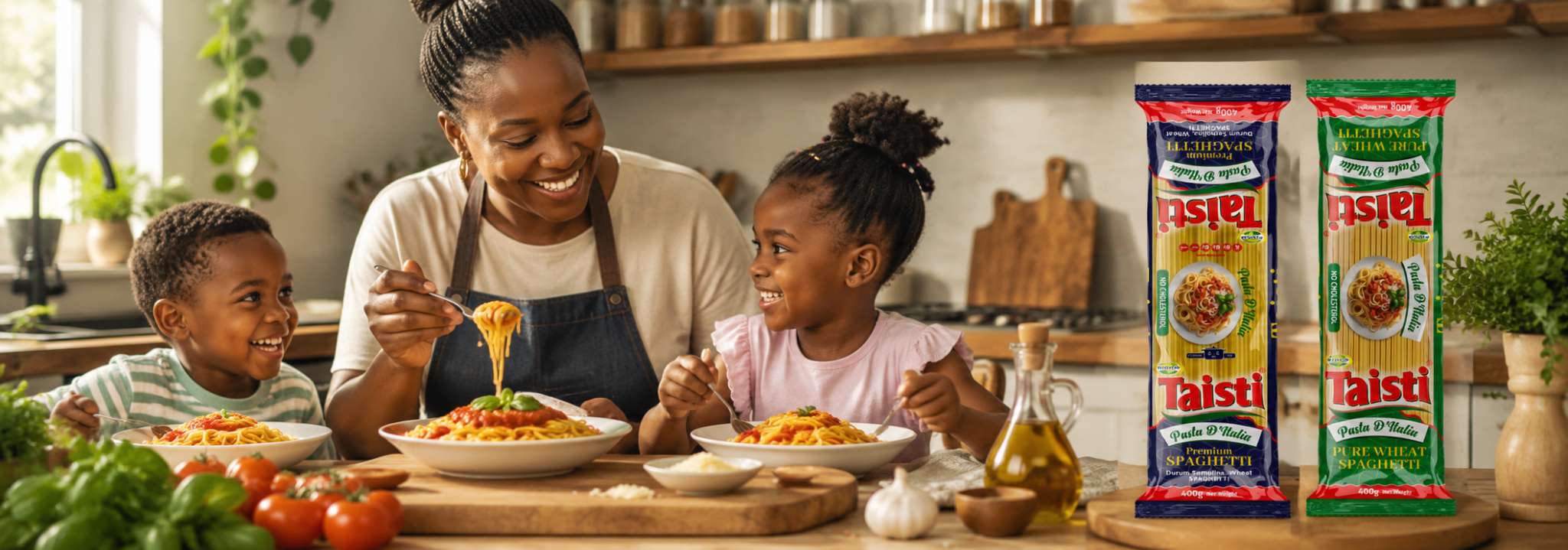
This is where Taisti Spaghetti Premium Blue Label fits naturally into home cooking routines. Made using high-quality pure wheat and durum semolina, the spaghetti is designed to create smooth, non-sticky strands that work well across different recipes and sauces.
The spaghetti is also ready within approximately 6 to 8 minutes, making it suitable for busy households looking for convenient meal options without compromising texture.
For anyone looking for a practical Taisti spaghetti guide, understanding both the spaghetti quality and cooking method makes a noticeable difference in achieving better results at home.
As a reliable choice trusted by many households, Taisti continues to fit naturally into meals that balance convenience, flavour, and quality.
One of the most common spaghetti mistakes is using too little water.
Spaghetti needs enough room to move freely while cooking. Using a large pot with plenty of boiling water helps prevent the strands from sticking together and allows them to cook more evenly.
This creates enough space for smoother cooking and better texture.
Salt plays an important role in spaghetti cooking because it helps season the spaghetti itself and improves the overall flavour balance.
Once the water begins to boil, add salt before placing the spaghetti in the pot.
The water should taste lightly salty, but not overpowering. This simple step helps create more flavourful spaghetti without relying entirely on the sauce later.
When adding spaghetti to the pot, allow the lower half to soften slightly before gently pushing the remaining strands into the water.
This helps prevent breakage while keeping the spaghetti strands long and smooth.
Avoid snapping the spaghetti in half unless a recipe specifically requires shorter spaghetti lengths.
Spaghetti strands naturally release starch while cooking, and without stirring, they can begin sticking together quickly
A few gentle stirs during the beginning usually help keep the spaghetti separated and evenly cooked.
Timing is one of the most important parts of achieving a perfect spaghetti texture.
Overcooked spaghetti becomes too soft and loses its structure, while undercooked spaghetti can feel too firm.
Taisti Spaghetti Premium Blue Label is typically ready within 6 to 8 minutes, depending on the texture you prefer.
Checking the spaghetti a minute before the recommended time usually gives the best results.
Even simple spaghetti recipes can feel disappointing when small cooking mistakes affect texture and consistency.
Some of the most common issues include:
Avoiding these mistakes helps create spaghetti that feels lighter, smoother, and easier to pair with sauces.
These practical suggestions provide spaghetti cooking tips Kenya households can use to achieve better results every time.
Spaghetti remains popular because it combines convenience with flexibility.
It can be prepared quickly, customized easily, and paired with many ingredients already available at home. Whether you prefer simple tomato sauces or richer homemade recipes, spaghetti adapts naturally to different tastes and meal occasions.
This flexibility is one reason many households continue exploring practical ideas through a reliable Taisti spaghetti guide for everyday cooking.
The ability to prepare satisfying meals without overly complicated preparation makes spaghetti especially suitable for busy modern lifestyles.
Learning how to cook spaghetti in Kenyan style at home does not need to feel complicated. Often, the best spaghetti meals come from simple cooking techniques, good timing, and quality ingredients.
With smooth, non-sticky strands, a convenient cooking time, and reliable texture, Taisti Premium Spaghetti Blue Label fits naturally into everyday homemade meals. Whether you are preparing quick dinners, experimenting with sauces, or improving your homemade spaghetti routine, small cooking improvements can make spaghetti feel more enjoyable every time.
As a reliable choice trusted by many households, Taisti continues to bring convenience, texture, and quality together for everyday spaghetti cooking.